Did you know that millions of people worldwide struggle with lung conditions? These conditions can significantly impact your ability to breathe, leaving you feeling short of breath and struggling to complete daily tasks. If you're one of those individuals, you're not alone. The good news is that recovery is possible, and with the right tools and knowledge, you can breathe easier and improve your quality of life.
This blog post is designed to be a roadmap for your recovery journey. We'll explore the different stages of recovery, the importance of proper breathing techniques, and how oxygen concentrators can play a vital role in aiding your path to better health.
The Recovery Journey
Recovering from lung illness is a process, not a one-time event. Understanding the different stages can help you manage your expectations and actively participate in getting better.
-
Acute Phase: During this initial phase, the focus is on managing your symptoms and stabilizing your condition. This might involve medication, oxygen therapy if needed, and plenty of rest.
-
Rehabilitation Phase: Once your condition stabilizes, pulmonary rehabilitation becomes crucial. This supervised program incorporates exercises and breathing techniques designed to improve your lung function and exercise tolerance.
-
Maintenance Phase: The long-term goal is to maintain your lung health and prevent future complications. This involves medication adherence, lifestyle modifications like smoking cessation, and regular checkups with your doctor.
The Breath of Life: Why Proper Breathing Matters More Than You Think
Breathing. It's something we do unconsciously, thousands of times a day. But despite its automatic nature, proper breathing is the foundation of our health and well-being. It's more than just an exchange of oxygen and carbon dioxide; it's a powerful tool that can impact our physical, mental, and emotional state.
Fueling the Body
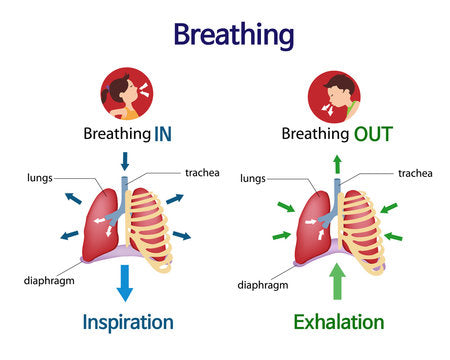
Our bodies rely on oxygen for every single function, from powering our muscles to keeping our brains sharp. Each inhale brings in life-giving oxygen, while each exhale removes waste products like carbon dioxide. When our breathing is shallow or inefficient, our bodies struggle to get the oxygen they need, leading to fatigue, headaches, and decreased performance.
Beyond the Lungs
The benefits of proper breathing extend far beyond the lungs. It regulates our nervous system, influencing our stress levels and emotional state. Deep, controlled breaths can activate the body's relaxation response, lowering blood pressure and heart rate, and promoting feelings of calm. Conversely, shallow breathing can trigger the fight-or-flight response, leading to anxiety and tension.
Optimizing Health
Beyond its immediate effects, proper breathing can positively impact our overall health. It can:
-
Improve lung function: Strengthening the diaphragm, the main muscle involved in breathing, can lead to deeper and more efficient breaths.
-
Boost the immune system: Good oxygen flow supports a healthy immune system, helping us fight off infections.
-
Aid in digestion: Proper breathing can help regulate digestion and improve nutrient absorption.
-
Enhance sleep quality: Deep, relaxed breathing can promote better sleep by calming the mind and body.
Taking Control
The good news is that we can all improve our breathing patterns. Here are some simple tips:

-
Be mindful: Pay attention to your breath throughout the day. Are your breaths shallow and rapid?
-
Practice deep breathing: Techniques like diaphragmatic breathing can help retrain your breath for optimal lung function.
-
Focus on your posture: Sit or stand tall with relaxed shoulders to allow for deeper breaths.
-
Incorporate breathing exercises: Regularly practicing breathing techniques can become a powerful tool for managing stress and anxiety.
By making a conscious effort to improve our breathing, we can unlock a world of health benefits. It's a simple yet powerful way to take charge of our well-being and experience life to the fullest, one deep breath at a time.
Nourishing Your Body and Mind for Optimal Lung Recovery
Good nutrition goes hand-in-hand with lung health. When your body is well-nourished, it has the building blocks it needs to heal and repair damaged lung tissues. Here are some dietary tips to keep in mind:
-
Focus on Fruits and Vegetables: Aim to fill your plate with a variety of colorful fruits and vegetables. These are rich in antioxidants and vitamins that can help reduce inflammation and support lung function.
-
Choose Lean Protein Sources: Protein is essential for building and repairing tissues. Include lean protein sources like fish, poultry, beans, and lentils in your diet.
-
Don't Forget Healthy Fats: Healthy fats, such as those found in avocados, olive oil, and nuts, can help reduce inflammation and support overall health.
-
Stay Hydrated: Drinking plenty of fluids helps thin mucus secretions in your lungs, making it easier to breathe. Aim for eight glasses of water per day, or more if you're exercising or sweating heavily.
Don't neglect the emotional aspects of recovery either. Living with a lung condition can be stressful and anxiety-provoking. Here are some tips to manage your mental well-being:
-
Mindfulness Techniques: Techniques like meditation or mindfulness exercises can help you manage stress, reduce anxiety, and improve your overall sense of well-being.
-
Relaxation Techniques: Deep breathing exercises, progressive muscle relaxation, and yoga can all help promote relaxation and reduce stress.
-
Join a Support Group: Connecting with others who understand your challenges can be a source of encouragement and support. Consider joining a lung disease support group or online community.
By incorporating these practices into your daily routine, you can nourish your body and mind, creating an optimal environment for lung recovery. Remember, recovery is a journey, and with dedication and the right support system, you can breathe a little easier, one step at a time.
Oxygen Therapy: A Breath of Fresh Air
Many lung conditions can benefit from supplemental oxygen therapy provided by home oxygen machine. Here's a closer look at some specific diseases:
-
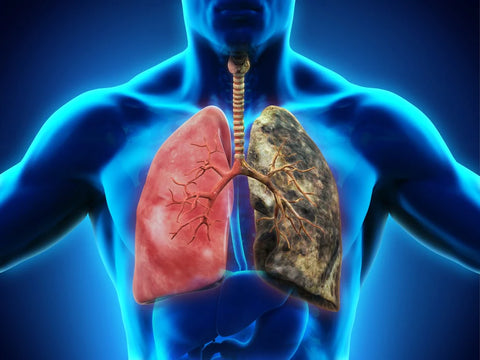
Chronic Obstructive Pulmonary Disease (COPD): COPD damages your airways and lung tissue, leading to low blood oxygen levels. Oxygen therapy can significantly improve your breathing and quality of life.
-
Pneumonia: Pneumonia inflames your lungs, making it harder for them to absorb oxygen. Oxygen therapy can support your recovery until the infection clears.
-
Asthma: During asthma attacks, your airways narrow, restricting airflow. Supplemental oxygen can help manage severe asthma exacerbations.
-
Cystic Fibrosis: This condition affects mucus production in your lungs, leading to infections and breathing difficulties. Oxygen therapy can help manage symptoms and improve oxygen levels.
-
Sleep Apnea: Sleep apnea causes pauses in breathing during sleep, leading to decreased oxygen levels. Oxygen therapy can be used during sleep to maintain proper oxygen saturation.
-
Pulmonary Fibrosis: Pulmonary fibrosis scars your lung tissue, impacting oxygen exchange. Oxygen therapy can help manage symptoms and improve quality of life for individuals with this condition.
Other lung conditions like lung cancer and near-drowning incidents can also benefit from oxygen therapy.
VARON Oxygen Machine: Aiding Your Recovery Journey
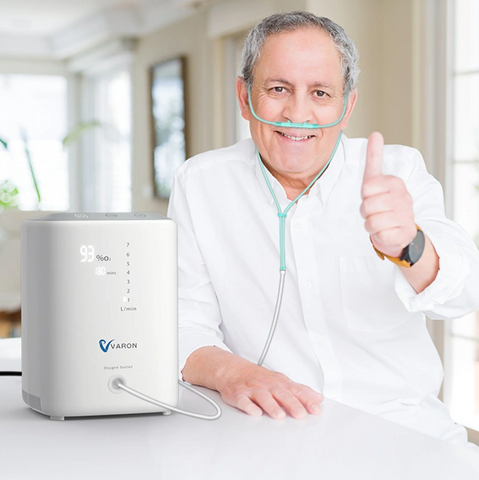
While this blog focuses on the importance of a personalized approach to lung illness recovery guided by a healthcare professional, home oxygen concentrators can play a vital role in this journey for many individuals. VARON offers a variety of oxygen machine models to suit different needs, whether you require continuous flow oxygen at home or a portable solution for on-the-go use.
Features to Consider When Choosing a Home or Portable Oxygen Concentrator
When selecting a home or portable oxygen machine, several factors come into play to ensure you get the right fit for your needs. Here's a breakdown of key considerations:
-
Flow Rate: This indicates the amount of oxygen delivered per minute, measured in liters per minute (LPM). VARON oxygen concentrators offer a range of flow rates to meet various requirements.
-
Oxygen Concentration: This refers to the percentage of oxygen in the gas mixture delivered by the concentrator. VARON oxygen machine provide adjustable or consistent oxygen concentrations.
-
Delivery Mode: VARON oxygen concentrators offers both continuous flow and pulse flow concentrators. Continuous flow provides a steady stream of oxygen, while pulse flow delivers bursts of oxygen synchronized with your inhalation.
-
Size and Weight: This is particularly important for portable concentrators. VARON's portable oxygen concentrator models prioritize weight and size for better portability, while home oxygen concentrators may offer larger capacities but with a more stationary design.
-
Battery Life (Portable Models Only): If portability is crucial, consider the battery life offered by the oxygen concentrator. Look for models with extended battery life or the ability to use an external battery pack.
-
Noise Level: A quieter machine can be more comfortable for extended use at home. VARON oxygen concentrators all operate at noise levels below a designated threshold for comfort.
-
Ease of Use: Look for features like user-friendly control panels, remote controls, and clear instructions. VARON oxygen concentrators prioritizes user-friendliness with features like large displays, adjustable flow rates, and timer functions.
Finding the Right Fit: Home and Portable Oxygen Concentrators from VARON
Choosing the right oxygen machine depends on your individual needs. VARON offers two distinct series to cater to these needs: Home Series and Portable Series. Let's explore the key features of each series to help you find the perfect fit for your breathing journey.
Home Series: Breathe Easy in Comfort
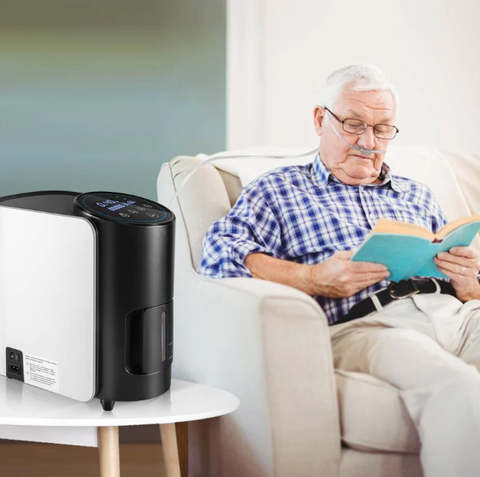
For individuals who require a steady and reliable supply of oxygen at home, VARON's Home Series concentrators (VH-1, VH-2, VH-3) offer continuous flow oxygen therapy. These user-friendly models prioritize comfort and convenience with features like:
- Large displays for easy monitoring of oxygen flow and other settings.
- Adjustable flow rates to personalize your oxygen intake based on your doctor's prescription.
- Built-in timer functions for effortless control of your therapy sessions.
Portable Series: Maintain Your Active Lifestyle

Maintaining an active lifestyle is important for overall well-being, and VARON's Portable Series concentrators (VL-1, VL-2, VP-1, VP-2) ensure you can breathe easier wherever you go. These compact and lightweight options come in both pulse flow and continuous flow, allowing you to choose the delivery mode that best suits your needs and doctor's recommendation.
- Extended battery life options or car power cords keep you powered up throughout the day, allowing you to participate in activities outside the home.
- User-friendly interfaces with clear controls and displays make operating the concentrator a breeze.
- Carrying bags for convenient transportation, ensuring your oxygen therapy stays mobile with you.
Living a Fuller Breath: A Final Note on Lung Recovery
Recovering from a lung condition can be a challenging but rewarding journey. Remember, there's no one-size-fits-all approach. The pace and specifics of your recovery will depend on the severity of your condition, your overall health, and your commitment to the process. However, there are some general principles to keep in mind:
1. Patience is Key: Recovery takes time. Don't get discouraged if you don't see immediate results. Celebrate small improvements and focus on making gradual progress over time.
2. Prioritize Rest: Your body needs sufficient rest to heal and repair damaged tissues. Ensure you get enough quality sleep each night and allow yourself time to rest throughout the day, especially after activities that leave you breathless.
3. Manage Stress: Chronic stress can worsen lung function. Practice relaxation techniques like deep breathing exercises, meditation, or yoga to manage stress and improve your overall well-being.
4. Quit Smoking (if applicable): Smoking is a major risk factor for lung disease and can significantly hinder your recovery efforts. If you smoke, quitting is the single most important step you can take to improve your lung health.
5. Build a Support System: Surround yourself with supportive friends, family members, or a support group who understand your challenges and can offer encouragement throughout your journey.
6. Regular Checkups: Maintain regular appointments with your doctor to monitor your progress, adjust your treatment plan if needed, and address any new concerns that may arise.
By incorporating these tips into your daily routine, combined with proper health care and potentially the use of a home oxygen concentrator from VARON, you can empower your lung recovery and take control of your breath. Remember, this blog post serves as a general informational guide, and consulting your doctor is essential for personalized recommendations regarding lung recovery and oxygen therapy.
Conclusion
By understanding the key features of home and portable oxygen concentrators and consulting your doctor, you can make an informed decision that best supports your oxygen therapy and improves your quality of life. VARON offers a variety of concentrator models to suit diverse requirements, and with proper selection and use, these devices can empower you to breathe easier and live an active life.






Leave a comment