Choosing between an oxygen concentrator and an oxygen tank is a critical decision for anyone needing supplemental oxygen. Both devices provide oxygen therapy but differ in portability, maintenance, cost, and convenience. Understanding their features can help patients and caregivers make the best choice for home use, travel, or medical needs.
What is an Oxygen Tank?
Oxygen tanks, also known as compressed gas cylinders, are traditional devices used to store and deliver pure oxygen. These tanks are commonly found in hospitals, clinics, and home care environments. Oxygen is delivered to the patient through nasal cannulas or oxygen masks.
Advantages of Oxygen Tanks
-
No Power Required: Oxygen tanks work without electricity or batteries, making them ideal during power outages.
-
High Flow Rates: They can provide higher oxygen flow than most oxygen concentrators, which is helpful for patients with severe respiratory conditions.
-
Reliable Performance: Tanks deliver consistent oxygen, essential in emergencies or clinical situations.
Disadvantages of Oxygen Tanks
-
Limited Oxygen Supply: Tanks eventually run out and require refilling or replacement, which can be inconvenient.
-
Bulky and Heavy: Larger tanks are difficult to carry and restrict mobility, while even portable tanks may be cumbersome.
-
Safety Risks: Because they are pressurized, mishandling can lead to leaks or accidents. Tanks must be kept away from heat, flames, and smoking areas.
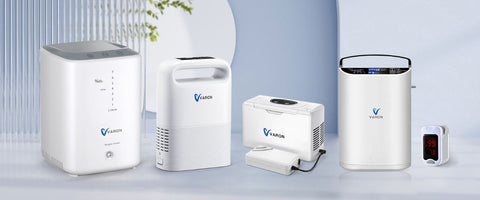
An oxygen concentrator is a modern medical device that extracts oxygen from ambient air, filters out nitrogen, and delivers purified oxygen to the patient. These devices are increasingly popular due to portability and ease of use, both at home and on the go.
Advantages of Oxygen Concentrators
-
Continuous Oxygen Supply: Unlike tanks, oxygen concentrators produce oxygen continuously without refills, ideal for long-term therapy.
-
Portable Options: Many concentrators are lightweight and compact, allowing patients to move freely, travel, or go outdoors while using oxygen.
-
Low Maintenance: Maintenance usually involves cleaning or replacing air filters, without the need to refill tanks.
-
Cost-Effective Over Time: While the initial cost is higher than a tank, long-term use is cheaper due to no refill expenses.
Disadvantages of Oxygen Concentrators
-
Dependent on Power: They require electricity or rechargeable batteries to operate. Backup batteries can help but increase costs.
-
Lower Flow Rates: Some models may not meet the needs of patients requiring high oxygen flow, especially during physical activity.
-
Noise and Heat: Certain devices produce noticeable sound or warmth during prolonged use, which may disturb some users.
Which One Should You Choose?
The choice between oxygen tanks and oxygen concentrators depends on your medical requirements, lifestyle, and environment:
-
Oxygen tanks are suitable for high-flow oxygen needs and stationary use at home.
-
Oxygen concentrators are ideal for patients who prioritize portability, independence, and continuous oxygen supply.
Some users benefit from both: a concentrator for home and travel, and a small tank as a backup or for emergencies. Always consult a healthcare provider to assess oxygen requirements and ensure safe use.
Conclusion
Both oxygen tanks and oxygen concentrators have clear benefits and drawbacks. Tanks provide high-flow oxygen without power, but are heavy and need refills. Oxygen concentrators offer continuous supply, portability, and low maintenance, though they rely on electricity and may have lower flow rates. Evaluating your health needs, mobility, and environment will help determine the best device for safe and effective oxygen therapy.
FAQs About Oxygen Concentrators
1. How long do oxygen concentrators last?
Most home concentrators last 5–10 years with proper maintenance, including filter cleaning.
2. Are portable concentrators effective for travel?
Yes, portable oxygen concentrators are lightweight and battery-operated, perfect for travel or outdoor activities.
3. Can oxygen concentrators replace tanks completely?
For many patients, yes. However, patients needing very high flow rates may still require oxygen tanks in specific situations.
4. Are oxygen concentrators safe to use at home?
Yes, they are designed for home use, but safety guidelines must be followed, including keeping the device away from open flames.





Leave a comment