Breathing is so natural that most people rarely think about the oxygen levels in their body. Yet, a condition known as silent hypoxia has gained attention in recent years because of its hidden and potentially dangerous impact. Unlike typical shortness of breath, silent hypoxia can occur without any obvious symptoms. This means that a person’s oxygen levels may drop to unsafe levels, but they may still feel normal and continue daily activities without realizing the risk.
Understanding silent hypoxia, its causes, and preventive measures is important for everyone, especially those who use an oxygen machine for home or have respiratory issues. Let’s explore why it is so crucial to be aware of this condition.
What Is Silent Hypoxia?
Hypoxia means low oxygen levels in the body. Normally, when oxygen drops, people feel warning signs such as dizziness, fatigue, or difficulty breathing. But in silent hypoxia, these signals are absent or very mild. A person may have dangerously low oxygen saturation without gasping for breath or coughing heavily.
This hidden nature makes silent hypoxia difficult to detect without proper monitoring devices like a pulse oximeter. In many cases, it has been discovered during routine health checks when patients had oxygen saturation below normal despite reporting no serious discomfort.
Why Silent Hypoxia Is Risky
The danger of silent hypoxia lies in delayed detection. Oxygen is essential for every organ, particularly the brain and heart. If oxygen levels remain low for an extended period, cells can be damaged. Some risks include:
-
Organ stress – prolonged low oxygen may strain the brain, kidneys, and heart.
-
Sudden worsening – patients may seem stable but can suddenly collapse.
-
Missed early treatment – without symptoms, people may avoid medical help until it’s too late.
This condition is especially concerning for older adults, people with chronic lung disease, and those recovering from respiratory infections.
What Causes Silent Hypoxia?
Several factors may lead to silent hypoxia:
-
Respiratory illnesses – Viral or bacterial infections can lower oxygen levels without severe breathing problems.
-
Chronic lung conditions – Patients with COPD or asthma may develop gradual oxygen reduction without realizing it.
-
Altitude and environment – Staying in high-altitude areas or polluted environments can reduce oxygen intake.
-
Sedentary lifestyle – Poor lung capacity from lack of activity may also make oxygen imbalance harder to notice.
Signs You Might Be Overlooking
Although silent hypoxia does not always produce dramatic symptoms, some subtle signs may indicate trouble:
-
Mild headaches or confusion
-
Unexpected tiredness
-
Bluish lips or fingertips
-
Slight difficulty concentrating
-
Faster heartbeat
Even if these symptoms seem small, it is important to check oxygen levels regularly if you belong to a high-risk group.
The Role of Monitoring and Prevention
The best defense against silent hypoxia is awareness and monitoring. A simple pulse oximeter can measure blood oxygen saturation at home. If levels consistently fall below normal, professional advice is necessary.
In addition, improving air quality at home, avoiding smoking, and staying active are practical steps to protect lung health. Using an oxygen machine for home becomes particularly valuable when oxygen levels cannot be maintained naturally.
For people experiencing silent hypoxia or other oxygen-related issues, an oxygen machine for home is a safe and effective support system. These devices deliver a steady flow of concentrated oxygen, helping the body maintain healthy oxygen levels.
Here’s how they make a difference:
-
Continuous oxygen support – ensures oxygen saturation does not drop dangerously.
-
Ease of use – modern home oxygen concentrators are simple, portable, and user-friendly.
-
Long-term health benefits – prevents organ stress caused by repeated low oxygen episodes.
-
Peace of mind – patients and families can feel safer knowing oxygen supply is available anytime.
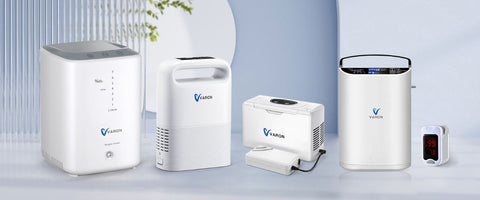
Brands like VARON oxygen concentrators provide reliable options that are energy-efficient and designed for home use. By integrating an oxygen machine for home into daily care, people at risk of silent hypoxia can protect their lungs and overall well-being.
Conclusion
Silent hypoxia is a condition that hides in plain sight. Without obvious symptoms, it can silently reduce oxygen levels and put health at risk. By staying alert, using monitoring tools, and adopting preventive habits, this risk can be managed. For those who require additional support, an oxygen machine for home offers an effective solution to ensure safe and consistent breathing.





Leave a comment