Chronic obstructive pulmonary disease (COPD) is a major respiratory condition that includes two primary disorders: chronic bronchitis and emphysema. While both affect the lungs and breathing, they differ in causes, symptoms, and treatment approaches.
For patients, caregivers, and even those at risk, understanding these differences can make disease management more effective. Moreover, introducing strategies like lung training and using supportive tools such as an oxygen concentrator machine can significantly improve daily life.
What Is Chronic Bronchitis?
Chronic bronchitis is a long-term inflammation of the bronchial tubes, which carry air to and from the lungs. This inflammation produces excessive mucus, leading to persistent cough, wheezing, and shortness of breath. It is often associated with smoking, air pollution, or long-term exposure to irritants.
Key signs of chronic bronchitis include:
-
Daily cough lasting at least three months in two consecutive years.
-
Production of thick mucus (sputum).
-
Fatigue due to reduced airflow and oxygen supply.
What Is Emphysema?
Emphysema, on the other hand, damages the alveoli—the tiny air sacs in the lungs responsible for oxygen exchange. Over time, these sacs lose elasticity, making it difficult for patients to exhale fully. As a result, old air gets trapped in the lungs, and less fresh air enters during each breath.
Symptoms of emphysema often include:
-
Shortness of breath, especially during physical activity.
-
Wheezing and tightness in the chest.
-
Unexplained weight loss in advanced cases.
Chronic Bronchitis vs. Emphysema: Key Differences
Though both fall under COPD, their impact differs:
-
Cause of breathing difficulty: Chronic bronchitis results from inflamed airways and mucus blockage, while emphysema arises from damaged alveoli.
-
Cough: Persistent, mucus-producing cough is a hallmark of chronic bronchitis but less common in emphysema.
-
Oxygen exchange: In emphysema, oxygen transfer is directly impaired, making supplemental oxygen more likely to be required.
The Role of Lung Training in Management
For both chronic bronchitis and emphysema, lung training is a valuable practice. This involves exercises that strengthen respiratory muscles and help patients make better use of their lung capacity. Techniques like pursed-lip breathing, diaphragmatic breathing, and guided aerobic activity are part of structured lung training programs.
Benefits of lung training include:
-
Improved airflow and oxygen intake.
-
Reduced shortness of breath during daily activities.
-
Enhanced endurance and energy levels.
-
Better quality of life for patients and caregivers.
Oxygen Therapy and Supportive Devices
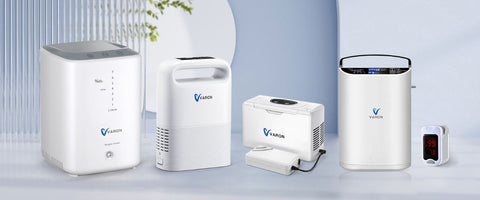
For advanced stages of chronic bronchitis and emphysema, oxygen therapy may become essential. An oxygen concentrator machine provides a steady supply of purified oxygen, which helps reduce strain on the lungs and improves blood oxygen levels.
Patients using these devices often notice:
-
Reduced fatigue and better sleep.
-
Greater ability to exercise or walk short distances.
-
Improved mental clarity and mood.
Devices like portable oxygen concentrators are particularly beneficial for those who want freedom and mobility while managing COPD.
Tips for Patients and Caregivers
Navigating complex lung conditions can be challenging. Here are some practical tips:
-
Avoid triggers – Stay away from cigarette smoke, dust, and polluted environments.
-
Follow a structured lung training plan – Daily practice can improve lung strength over time.
-
Maintain medications – Inhalers, bronchodilators, and steroids should be taken as prescribed.
-
Use an oxygen concentrator machine when needed – It provides essential oxygen support for severe cases.
-
Focus on nutrition and hydration – Eating balanced meals and staying hydrated reduce mucus buildup.
-
Stay active but paced – Gentle exercise with regular breaks supports better lung health.
-
Seek medical supervision – Regular check-ups ensure that treatment remains effective.
Conclusion
While both chronic bronchitis and emphysema fall under COPD, their causes and symptoms differ. Chronic bronchitis is defined by inflammation and excess mucus in the airways, while emphysema is characterized by damage to the alveoli and reduced oxygen exchange.
Yet, patients with either condition can benefit from lung training and supportive therapies like oxygen concentrator machines.
With proper management, lifestyle changes, and supportive devices, individuals living with these chronic conditions can enjoy better comfort and independence. Caregivers play an equally vital role by ensuring treatment compliance and creating a supportive environment.
FAQs
Q1. What is the main difference between chronic bronchitis and emphysema?
Chronic bronchitis affects the airways, causing inflammation and mucus buildup, while emphysema damages the air sacs (alveoli), reducing lung elasticity and airflow.
Q2. Can a person have both chronic bronchitis and emphysema?
Yes. Many people have features of both conditions, which together are categorized as COPD (Chronic Obstructive Pulmonary Disease).
Q3. Which condition causes a persistent cough with mucus?
Chronic bronchitis typically causes a long-term productive cough due to excess mucus in the airways.
Q4. Which condition causes shortness of breath due to damaged lung tissue?
Emphysema leads to breathlessness because the alveoli are destroyed, reducing oxygen exchange.
Q5. Are smoking and pollution major causes of both diseases?
Yes. Long-term smoking is the leading cause of both chronic bronchitis and emphysema. Air pollution and occupational exposure also increase risk.
Q6. What is the difference between COPD and Emphysema?
COPD (Chronic Obstructive Pulmonary Disease) is a broad term for long-term lung diseases that cause airflow blockage and breathing problems, mainly including emphysema and chronic bronchitis.
Emphysema is a specific type of COPD where the air sacs (alveoli) in the lungs are damaged, reducing oxygen exchange and causing shortness of breath, especially during physical activity.





Leave a comment