Every year on World Stroke Day, millions around the globe come together to raise awareness about stroke prevention and recovery. A stroke occurs when the blood supply to part of the brain is interrupted, leading to reduced oxygen delivery to brain cells. What many people don’t realize is that oxygen therapy can play a crucial role in both the recovery process and long-term brain health.
By ensuring proper oxygenation, the brain and body receive the support they need to heal, rebuild, and prevent further complications. Modern devices like the VARON oxygen concentrator make this possible, offering reliable at-home oxygen support for individuals recovering from stroke.
Understanding Stroke and Oxygen Deprivation
A stroke is essentially a medical emergency caused by a blockage (ischemic stroke) or rupture (hemorrhagic stroke) of blood vessels in the brain. Both types deprive brain tissue of oxygen and nutrients, leading to the death of brain cells within minutes.
When oxygen levels in the brain drop, it affects critical functions like speech, movement, and memory. This is why timely intervention and post-stroke care are vital. During recovery, maintaining optimal oxygen supply through oxygen therapy helps prevent further brain damage and supports cellular repair.
How Oxygen Therapy Supports Stroke Recovery
1. Restoring Oxygen Balance in the Brain
After a stroke, the affected brain regions may suffer from hypoxia—a condition of low oxygen levels. Oxygen therapy delivers concentrated oxygen directly to the lungs, increasing the amount available in the bloodstream. This oxygen-rich blood then nourishes brain cells, helping restore function and prevent additional cell loss.
For patients undergoing rehabilitation, using an oxygen concentrator at home can significantly enhance recovery by stabilizing oxygen levels and improving cognitive clarity.
2. Enhancing Cellular Repair and Energy Production
Oxygen is vital for cellular metabolism. When provided consistently through oxygen therapy, it accelerates the repair of damaged brain tissue. It also boosts ATP production—the body’s natural energy source—helping cells recover faster.
Devices like the VARON Serene 5 deliver steady oxygen flow, ensuring that each breath supports energy generation and neural recovery without fluctuations.
3. Improving Mobility and Muscle Strength
Many stroke survivors experience weakness or paralysis on one side of the body. Physical therapy is often part of recovery, but muscles require oxygen to function and rebuild strength. Oxygen therapy improves blood oxygenation, which in turn enhances muscle endurance and reduces fatigue during rehabilitation exercises.
A portable oxygen concentrator such as the VARON VT-1 can be used conveniently at home or during physiotherapy sessions, ensuring uninterrupted support wherever needed.
4. Supporting Cognitive and Emotional Well-being
Stroke recovery isn’t just physical—it’s emotional and mental too. Low oxygen levels can cause fatigue, anxiety, or cognitive fog. Regular use of an oxygen concentrator helps maintain stable oxygen saturation, which improves mental alertness, mood, and sleep quality.
This steady oxygen supply contributes to overall emotional stability, empowering stroke survivors to regain confidence in their daily activities.
Oxygen Therapy in Stroke Prevention
While oxygen therapy is best known for aiding recovery, it also plays a role in prevention. Chronic low oxygen levels can increase the risk of cardiovascular issues, including stroke. Conditions like sleep apnea, chronic obstructive pulmonary disease (COPD), and poor circulation can reduce oxygen delivery to the brain.
Using an oxygen concentrator at home under medical guidance helps maintain healthy oxygen saturation levels, supporting long-term brain and heart health. Preventive oxygen therapy, when recommended by a physician, ensures the body remains well-oxygenated even during rest or sleep.
Choosing the Right Oxygen Concentrator for Stroke Recovery
When selecting an oxygen concentrator for stroke recovery, it’s important to consider comfort, reliability, and convenience.
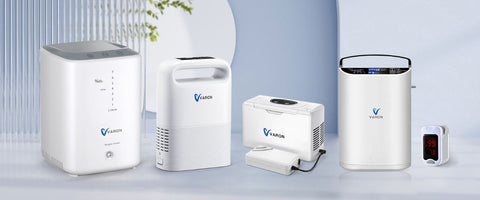
VARON offers a range of models designed to meet diverse needs:
-
VARON VL-1 and VL-2: Lightweight, portable units ideal for mild oxygen support and mobility.
-
VARON VP-2: Swappable battery design for uninterrupted use during travel or outdoor rehabilitation.
-
VARON Serene 5: High-performance home unit delivering stable oxygen concentration for continuous therapy.
Each VARON concentrator is engineered for quiet operation, energy efficiency, and user-friendly control—perfect for ensuring safety and comfort throughout recovery.
Practical Tips for Safe Oxygen Therapy at Home
-
Follow medical guidance. Always use the prescribed oxygen flow rate recommended by your doctor.
-
Maintain cleanliness. Regularly clean nasal cannulas and filters to ensure hygiene and performance.
-
Ensure ventilation. Use your oxygen concentrator in a well-ventilated area to prevent overheating.
-
Keep backup power. Have spare batteries or power inverters ready, especially during travel or power outages.
-
Monitor oxygen levels. Use a pulse oximeter to check oxygen saturation regularly for consistency.
With careful usage and the right equipment, oxygen therapy becomes a safe and effective part of stroke recovery.
Conclusion: Breathing New Life into Stroke Recovery
On this World Stroke Day, it’s important to recognize that recovery doesn’t end at hospital discharge—it continues at home, breath by breath. Oxygen therapy provides a powerful means to enhance healing, restore strength, and prevent future complications.
With reliable technology from VARON, patients can experience continuous comfort and safety through every stage of recovery. Whether using the Serene 5 for stable home therapy or the VT-1 for mobility, VARON oxygen concentrators empower individuals to breathe easier, recover faster, and live stronger.





Leave a comment