Fatigue is one of the most common complaints people experience in daily life. Many assume that tiredness comes from stress, lack of sleep, or poor diet—but another important factor often goes unnoticed: low oxygen levels in the body. Many people even wonder, “does lack of oxygen make you sleepy?”, and the answer is yes—when your oxygen saturation drops, your body cannot produce enough energy, leading to constant exhaustion. This is where an oxygen machine can play a critical role in restoring balance and improving quality of life.
In this article, we’ll explore the connection between fatigue and oxygen, how you can monitor your oxygen levels at home, and why using a home oxygen concentrator could make a difference in your daily energy and overall health.
The Link Between Oxygen and Energy
Does low oxygen make you tired? Every cell in your body depends on oxygen to function. Oxygen fuels the production of adenosine triphosphate (ATP), the energy currency that powers muscles, organs, and brain activity. When your oxygen intake is limited, your cells produce less energy, leaving you feeling weak, tired, and mentally foggy.
Low oxygen levels (also known as hypoxemia) can be triggered by conditions like asthma, COPD, sleep apnea, or even poor air quality. People with mild respiratory challenges may not realize their tiredness comes from inadequate oxygen intake. In such cases, an oxygen machine provides supplemental oxygen to restore proper levels and reduce fatigue.
Signs That Low Oxygen Might Be Making You Tired
If you feel tired all the time, watch for these additional symptoms that could indicate low oxygen saturation:
-
Shortness of breath during daily activities
-
Frequent headaches or dizziness
-
Rapid heartbeat or palpitations
-
Difficulty concentrating or “brain fog”
-
Poor sleep and frequent waking up at night
These symptoms should not be ignored. Regular monitoring with a pulse oximeter at home can help you track your oxygen saturation. If levels consistently fall below normal, it may be time to consider using a home oxygen concentrator.
Monitoring Oxygen at Home
Modern technology makes it easy to check oxygen levels without visiting a hospital. A fingertip pulse oximeter gives instant readings of oxygen saturation (SpO₂) and heart rate. Healthy individuals typically have oxygen levels between 95–100%. If your readings often drop below 92%, it may explain your constant fatigue.
Alongside monitoring, lifestyle adjustments like practicing breathing exercises, improving indoor air circulation, and staying active can help.
However, when oxygen levels remain low, an oxygen machine becomes a reliable solution to prevent fatigue and maintain energy throughout the day.
How a Home Oxygen Concentrator Can Help
A home oxygen concentrator is a medical device that pulls in air, filters out nitrogen, and delivers concentrated oxygen through a nasal cannula. Unlike oxygen cylinders, concentrators never run out of supply as long as they are plugged in, making them cost-effective and convenient.
Benefits of using a home oxygen concentrator include:
-
Reduced fatigue: More oxygen means more energy for your body.
-
Better sleep quality: Nighttime oxygen support helps reduce morning tiredness.
-
Improved focus and memory: Adequate oxygen enhances brain function.
-
Support for daily activities: From cooking to walking, oxygen therapy makes life easier.
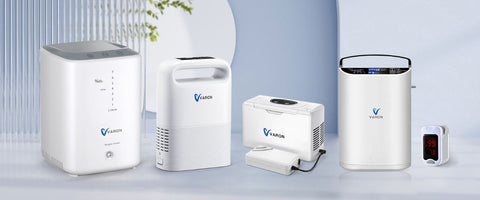
For individuals who travel often or prefer mobility, portable oxygen concentrators like the VARON VT-1 or VP-2 are excellent options. They are lightweight, quiet, and can be used in cars, hotels, or outdoor settings.
Why Choose VARON Oxygen Solutions?
When selecting an oxygen machine, quality, reliability, and comfort matter. VARON offers a wide range of oxygen concentrators—both portable and home-use models—that are designed with user-friendly features.
-
VARON Serene 5: A stable home oxygen concentrator with medical-grade oxygen delivery, perfect for long-term daily use.
-
VARON VH-2 PRO: Known for adjustable flow rates, offering flexible support.
-
VARON VP-2 Portable Model: Lightweight and easy to carry, ideal for individuals with an active lifestyle.
Each device is built with quiet operation, durability, and convenience in mind, ensuring users get effective oxygen therapy without interruption.
When to Talk to a Doctor
Feeling tired all the time is not something to brush off. If fatigue is accompanied by breathlessness, chest pain, or consistently low oxygen readings at home, it’s important to seek medical advice. A doctor can confirm if an oxygen machine is necessary and recommend whether a home oxygen concentrator or portable unit is best suited for your condition.
Final Thoughts
Constant fatigue might not just be about stress or lack of sleep—it could be your body’s way of signaling low oxygen levels. Monitoring oxygen saturation at home and considering an oxygen machine can make a real difference in restoring your energy and improving daily life.
For those who require reliable solutions, VARON’s range of home oxygen concentrators and portable models provide comfort, efficiency, and peace of mind.
By addressing oxygen deficiency, you can move closer to living a healthier, more energetic life—without the burden of unexplained tiredness.
FAQs
Can low oxygen make you tired all the time?
Yes, when oxygen levels drop, your cells don’t get enough energy, leading to constant fatigue, weakness, and low stamina.
What symptoms besides tiredness indicate low oxygen?
Common signs include shortness of breath, dizziness, headaches, confusion, difficulty concentrating, and a rapid heartbeat.
How can I check if my oxygen levels are low?
You can use a fingertip pulse oximeter. Normal SpO₂ is 95–100%; anything below 92% consistently should be checked by a doctor.
What causes low oxygen levels?
Causes may include asthma, COPD, anemia, sleep apnea, lung infections, heart issues, cold weather, poor indoor air, or being at high altitude.
How can I improve my oxygen levels naturally?
Try deep breathing, staying hydrated, improving posture, ventilating your room, reducing stress, and doing light exercise if possible.





Leave a comment