When it comes to oxygen therapy, people often find themselves choosing between oxygen tanks for sale and portable oxygen concentrators. Both serve the same purpose—delivering supplemental oxygen—but differ in technology, portability, maintenance, and costs. If you’re considering buying or opting for oxygen tank rental, understanding the pros and cons of each option can help you make the right decision.
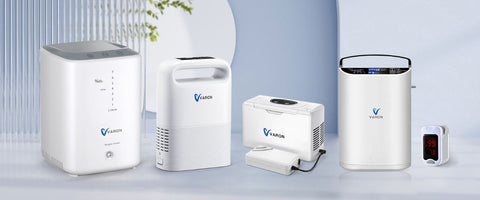
At VARON, we provide advanced portable oxygen concentrators designed for home use, travel, and even in-car convenience, ensuring you always have reliable oxygen support wherever you go.
1. Understanding Oxygen Tanks
Oxygen tanks store compressed or liquid oxygen and deliver it through a regulator and nasal cannula or mask. People often search for oxygen tanks for sale when they need a quick solution or temporary oxygen supply.
Pros of Oxygen Tanks:
-
Immediate Oxygen Supply: Oxygen tanks provide a steady, ready-to-use source of oxygen.
-
No Power Requirement: Since they don’t rely on electricity, they work during power outages.
-
High Oxygen Flow: Suitable for patients with higher oxygen flow requirements.
Cons of Oxygen Tanks:
-
Limited Supply: Once the tank is empty, it needs refilling or replacement.
-
Bulky & Heavy: Large tanks can be difficult to carry for travel or outdoor use.
-
Safety Concerns: Requires careful storage as oxygen supports combustion.
If you want to test oxygen therapy before purchasing, oxygen tank rental options are available. They allow short-term usage without a major upfront investment.
Portable oxygen concentrators, like the VARON VT-1 Travel Oxygen Concentrator, use ambient air, filter out nitrogen, and deliver concentrated oxygen. Unlike oxygen tanks, they don’t run out of oxygen as long as you have a power source or battery backup.
Pros of Oxygen Concentrators:
-
Unlimited Oxygen Supply: No refills required, works continuously when powered.
-
Lightweight & Portable: Perfect for travel, road trips, or outdoor activities.
-
Multiple Modes: Continuous and pulse flow settings for personalized therapy.
-
Cost-Effective Over Time: No recurring cost of refilling tanks.
Cons of Oxygen Concentrators:
3. Cost Comparison: Buy vs. Rental
If you’re unsure whether to buy or rent, here’s a quick guide:
-
Buying Oxygen Tanks: Best for long-term home use if you have easy access to refill services. Search for oxygen tanks for sale in your city for better deals.
-
Oxygen Tank Rental: Ideal for short-term needs such as post-surgery recovery or travel. You pay a rental fee instead of buying outright.
-
Buying Oxygen Concentrators: A one-time investment with no recurring oxygen refill costs. Portable concentrators like the VARON VT-1 provide mobility and long battery life for active users.
4. Travel & Convenience Factor
For road trips and vacations, portable oxygen concentrators are far more convenient than oxygen tanks. Modern devices like VARON’s travel concentrators feature:
-
Lightweight design
-
Continuous and pulse flow settings (1–5L/min continuous, 1000ml/min pulse)
-
In-car charging options
-
Long battery life for uninterrupted travel
With oxygen tank rental, portability becomes a challenge because tanks are heavier, require strict handling, and can’t be recharged like concentrators.
5. Maintenance Tips
-
Oxygen Tanks: Store in a cool, dry place, secure them upright, and check for leaks regularly.
-
Oxygen Concentrators: Clean air filters, charge batteries correctly, and keep the device away from dust and moisture.
VARON concentrators come with easy maintenance features, ensuring long-term reliability with minimal effort.
6. Which One Should You Choose?
-
Choose oxygen tanks for sale or oxygen tank rental for short-term or high-flow emergency needs.
-
Opt for a portable oxygen concentrator like the VARON VT-1 for daily use, travel, and uninterrupted oxygen supply.
For long-term oxygen therapy users, concentrators provide more convenience, lower running costs, and better mobility compared to traditional tanks.
Final Thoughts
Both oxygen tanks for sale and portable oxygen concentrators have their pros and cons. If you prefer affordability and immediate supply, oxygen tank rental may suit your short-term needs. However, for long-term reliability, comfort, and travel-friendly use, advanced portable oxygen concentrators from VARON are the smarter choice.





Leave a comment