Many people with respiratory conditions rely on medical devices to manage their breathing difficulties. Two commonly used tools are nebulizer therapy and home oxygen concentrators (HOCs). However, it's crucial to understand the key distinctions between these devices, as they serve different purposes in respiratory health.
This blog post from VARON, a trusted provider of respiratory equipment, dives deep into the world of nebulizers and what is an oxygen concentrator. We'll explore their functionalities, applications, and how they can benefit your respiratory health journey.
Nebulizer Therapy: Delivering Medication Directly to Your Lungs
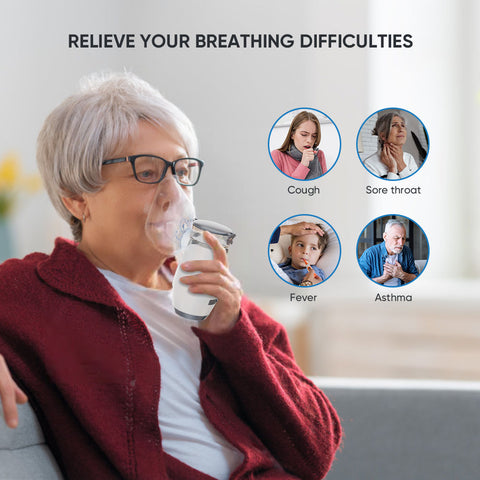
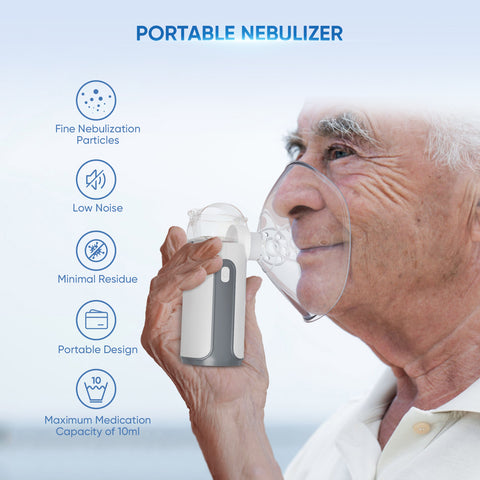
A nebulizer is a compact medical device that transforms liquid medication into a fine mist for inhalation. This mist can be easily inhaled deep into the lungs, delivering medication directly to the airways. Nebulizer therapy is particularly beneficial for treating respiratory conditions like asthma, chronic obstructive pulmonary disease (COPD), and cystic fibrosis.
How Nebulizer Therapy Work
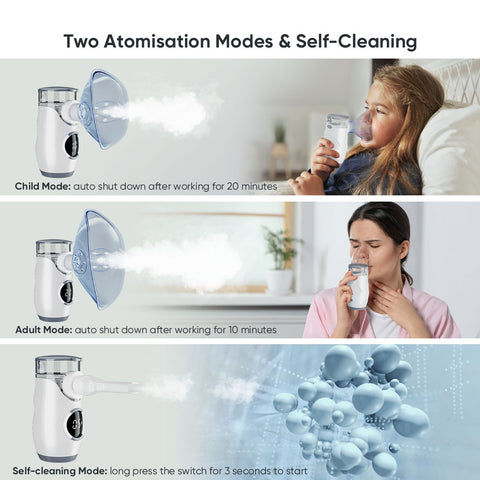
VARON offers a range of user-friendly nebulizers, including the MY-135B, MY-133, and MY-132 models. These nebulizers all utilize mesh nebulization technology. Here's a breakdown of the process:
-
Medication Chamber: You fill the nebulizer's medication chamber with the prescribed liquid medication.
-
Mesh Vibrates: When activated, the nebulizer's mesh vibrates at a high frequency.
-
Fine Mist Formation: This vibration breaks down the medication into a fine mist of particles typically less than 5 micrometers (μm) in size. These tiny particles are easily inhaled deep into the lungs.
-
Inhalation: The patient inhales the medication mist through a mouthpiece or mask, depending on their preference and comfort level.
Benefits of Nebulizer Therapy
-
Targeted Treatment: Nebulizer therapy delivers medication directly to the airways, maximizing its effectiveness in treating respiratory conditions.
-
Fast-Acting Relief: Inhaled medication often provides quicker relief from symptoms compared to oral medications.
-
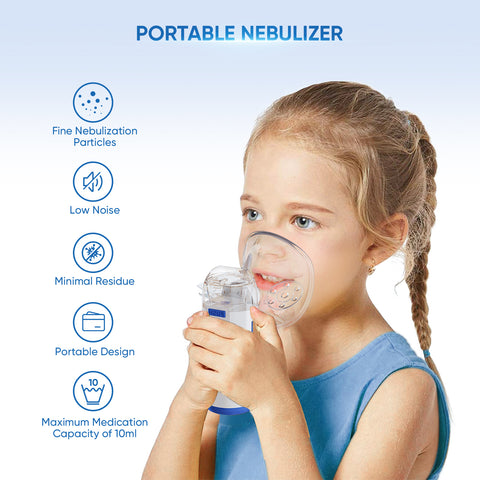
Suitable for All Ages: Nebulizer therapy can be used by people of all ages, including children and adults. VARON's nebulizers, like the MY-133, even come with child-sized masks for optimal comfort.
-
Portable: Nebulizers are compact and lightweight, making them ideal for use at home or on the go. VARON's nebulizers feature an eco-friendly lithium battery (MY-135B) or USB power options (MY-132, MY-133) for added convenience.
What is an Oxygen Concentrator?
A home oxygen concentrator (HOC) is a healthcare device that concentrates the oxygen from the surrounding air. This concentrated oxygen is then delivered through a nasal cannula or mask to a patient with chronic respiratory conditions who struggle to maintain adequate blood oxygen levels on their own.
How Home Oxygen Concentrators Work
Home Oxygen Concentrators work by drawing in room air, typically containing around 21% oxygen. The device then utilizes a filtration system to remove nitrogen and other gases, leaving behind concentrated oxygen, usually at levels between 90% and 95%. This enriched oxygen is then delivered to the patient through a nasal cannula or mask.
Benefits of Home Oxygen Concentrators
-
Increased Blood Oxygen Levels: Home Oxygen Concentrators provide a reliable source of supplemental oxygen, helping patients maintain healthy blood oxygen levels and alleviate symptoms of respiratory insufficiency.
-
Improved Quality of Life: By ensuring adequate oxygen supply, Home Oxygen Concentrators can significantly improve a patient's quality of life, allowing them to participate in daily activities with greater ease.
-
Continuous Oxygen Therapy: Home Oxygen Concentrators provide a continuous flow of oxygen, unlike oxygen tanks which have a limited capacity.
Key Differences Between Nebulizer therapy and Home Oxygen Concentrators
Here's a table summarizing the key differences between nebulizer therapy and home oxygen concentrators:







Leave a comment