Living alone with oxygen support can feel challenging, but with the right preparation and tools, seniors can stay safe, comfortable, and independent. Whether you use a home oxygen concentrator or a portable oxygen concentrator, it’s important to have routines, checklists, and community support in place. This guide shares practical safety tips, preparation checklists, and advice on staying connected while managing oxygen therapy at home.
Why Preparation Matters
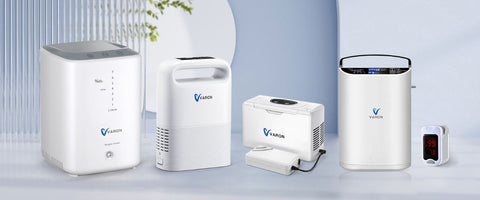
For seniors who live independently, oxygen therapy brings both freedom and responsibility. A home oxygen concentrator can provide continuous oxygen support, while a portable oxygen concentrator allows mobility outside the house. However, using these devices requires planning for emergencies, daily safety checks, and reliable communication with family or caregivers. Preparation not only ensures health and safety but also gives peace of mind.
Safety Checklist for Oxygen Users
Staying safe starts with creating a daily and emergency checklist:
-
Device Safety
-
Ensure your home oxygen concentrator is placed in a well-ventilated area.
-
Keep devices at least 5 feet away from open flames, stoves, or candles.
-
Use surge protectors and avoid overloading electrical outlets.
-
Backup Plan
-
Always have a spare portable oxygen concentrator battery charged.
-
Keep extra tubing and cannulas available.
-
Ask your provider if they can supply an emergency oxygen cylinder.
-
Fire Safety
-
Install smoke alarms and check them monthly.
-
Post “Oxygen in Use” signs to alert visitors.
-
Never smoke near oxygen equipment.
-
Power Outages
-
Register with your local electricity provider as a priority customer.
-
Keep a battery-powered portable oxygen concentrator ready.
-
Store the emergency contact number for your oxygen supplier.
Staying Prepared Every Day
Preparation doesn’t have to be complicated—it’s about small routines that make a big difference. For example, before going to bed, check that your home oxygen concentrator is working properly and that your backup battery is fully charged. If you plan to leave home, carry your portable oxygen concentrator along with an extra battery and power adapter.
Labeling your equipment and keeping all oxygen supplies in one accessible spot can save time in emergencies. Seniors who live alone may also benefit from keeping a written instruction card near their device so that visitors or caregivers can assist if needed.
Staying Connected with Community Support
Living alone doesn’t mean being isolated. Building a support system is essential:
-
Family Check-ins: Schedule regular calls or video chats with family members.
-
Medical Alerts: Wear a medical alert bracelet or use emergency alarm devices that can notify caregivers if needed.
-
Neighbors and Friends: Inform a trusted neighbor that you use a home oxygen concentrator so they can check in during power cuts or emergencies.
-
Support Groups: Join online or local support groups for oxygen users to share tips and experiences.
These small connections can make living independently much safer and less stressful.
Tips for Traveling with Oxygen
For seniors who want to stay active, a portable oxygen concentrator can be life-changing. These devices are lightweight, rechargeable, and easy to carry. When traveling:
-
Check that your portable oxygen concentrator is fully charged before leaving.
-
Carry extra batteries and charging cables.
-
Inform your travel companions about your oxygen needs.
-
Keep your doctor’s contact information handy.
With proper planning, you can enjoy outings, family gatherings, and even longer trips while staying safe.
Peace of Mind Through Planning
The key to living alone on oxygen is preparation. By using safety checklists, keeping both a home oxygen concentrator and portable oxygen concentrator ready, and staying connected with loved ones, seniors can enjoy independence with confidence.
Living with oxygen therapy does not mean giving up freedom. Instead, with the right habits and community support, it becomes possible to live safely, comfortably, and fully connected—at home and beyond.





Leave a comment