Maintaining healthy lungs and active living is one of the keys to enjoying a high quality of life as we age. Our lungs are powerful organs that fuel every movement, thought, and heartbeat by supplying oxygen to our bodies. However, just like other organs, the lungs undergo natural changes over time. Understanding how aging affects lung function—and taking proactive steps to protect it—can help you stay active, independent, and full of energy.
How Aging Changes Your Lungs
As the years go by, our respiratory system experiences a gradual decline. While these changes are a normal part of the aging process, they can impact breathing capacity and stamina.
Here’s what typically happens:
-
Loss of Elasticity in Lung Tissue
The air sacs (alveoli) in the lungs become less elastic, reducing the amount of oxygen that can pass into the bloodstream. This means you might feel short of breath more easily, even during mild activity.
-
Weaker Respiratory Muscles
The diaphragm and other muscles that help you breathe may lose strength, making deep breaths more difficult.
-
Reduced Airway Function
Airways can become stiffer and narrower, limiting airflow and making it harder to clear mucus, dust, or pathogens.
-
Decreased Lung Capacity
Maximum breathing capacity typically peaks in your 20s and then gradually declines, dropping more significantly after the age of 65.
Risk Factors That Accelerate Lung Decline
Although aging affects everyone’s lungs to some degree, certain factors can speed up the decline:
-
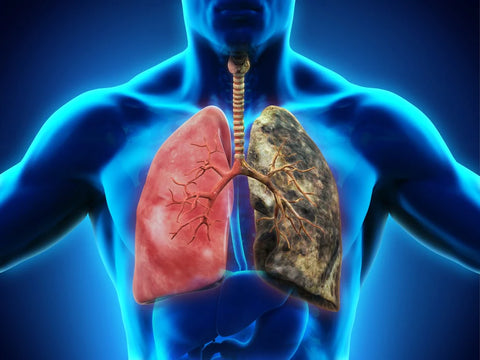
Smoking – The leading cause of preventable lung damage.
-
Long-term exposure to pollutants – Dust, fumes, and chemicals harm airway health.
-
Chronic respiratory conditions – COPD, asthma, and pulmonary fibrosis increase vulnerability.
-
Sedentary lifestyle – Lack of physical activity weakens both muscles and lung efficiency.
Maintaining Healthy Lungs and Active Living in Later Years
Aging may change your lungs, but it doesn’t have to limit your lifestyle. With the right habits, you can maintain healthy lungs and active living well into your golden years.
1. Stay Physically Active
Regular exercise—such as walking, swimming, or light strength training—keeps respiratory muscles strong and supports efficient oxygen delivery throughout your body. Aim for at least 30 minutes of activity most days.
2. Practice Breathing Exercises
Techniques like diaphragmatic breathing and pursed-lip breathing can improve oxygen intake and lung efficiency. Just 5–10 minutes of daily breathing exercises can make a noticeable difference over time.
3. Avoid Polluted Environments
Limit exposure to cigarette smoke, industrial fumes, and high-pollution areas. Indoor air purifiers can help maintain cleaner air at home.
4. Schedule Regular Checkups
Early detection of lung conditions increases treatment success rates. Lung function tests, chest X-rays, and regular health assessments are important tools for prevention.
For those with reduced oxygen levels due to chronic respiratory conditions, an oxygen machine for home use can provide consistent oxygen therapy. Modern home oxygen concentrators are compact, quiet, and designed for daily living—helping you stay active while ensuring your body gets the oxygen it needs.
Oxygen Machine Home Solutions for Aging Lungs
Our brand specializes in advanced home oxygen solutions that support healthy lungs and active living. Stationary oxygen concentrators deliver a continuous flow of high-purity oxygen, making them ideal for individuals who need therapy throughout the day and night. Portable options are also available for those who want to maintain mobility without sacrificing oxygen supply.
Benefits include:
-
Consistent oxygen flow for daily activities and sleep.
-
Compact and user-friendly designs that fit into any home environment.
-
Humidifier compatibility to keep airways comfortable during therapy.
-
Cost-effective operation compared to traditional oxygen tanks.
Prevention Is the Best Medicine
While healthcare devices like an oxygen machine for home can be invaluable for those with reduced lung capacity, prevention remains the most effective way to maintain lung health. Avoiding smoking, staying active, practicing healthy breathing, and protecting yourself from environmental pollutants can delay or reduce age-related respiratory decline.
Conclusion: Breathing Well for a Longer, Healthier Life
Aging doesn’t mean giving up on vitality. By understanding how lung function changes over time—and taking proactive steps—you can continue enjoying healthy lungs and active living well into your later years. From exercise and pollution avoidance to considering advanced tools like an oxygen machine for home, your choices today can protect your breathing for years to come.
Breathing well is living well. Make lung health a priority now, and your future self will thank you with every deep, satisfying breath.





Leave a comment